Scratching the Surface
Classical CV vs Vision-Language Models for steel defect detection
2026-05-18
The 30-second pitch
How can we prepare for the unknown?
Is computer vision a solved problem?
How can we save time with new tech?

What is rolled-metal?

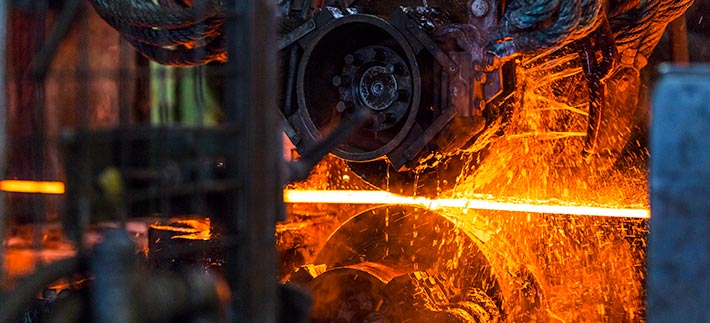
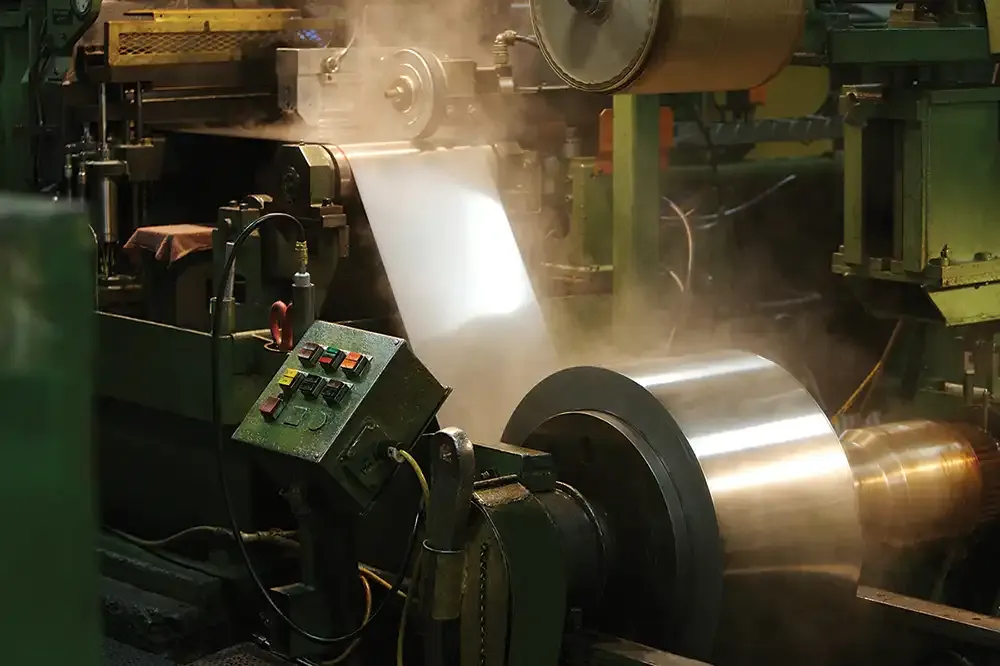
What are rolled-metal defects?
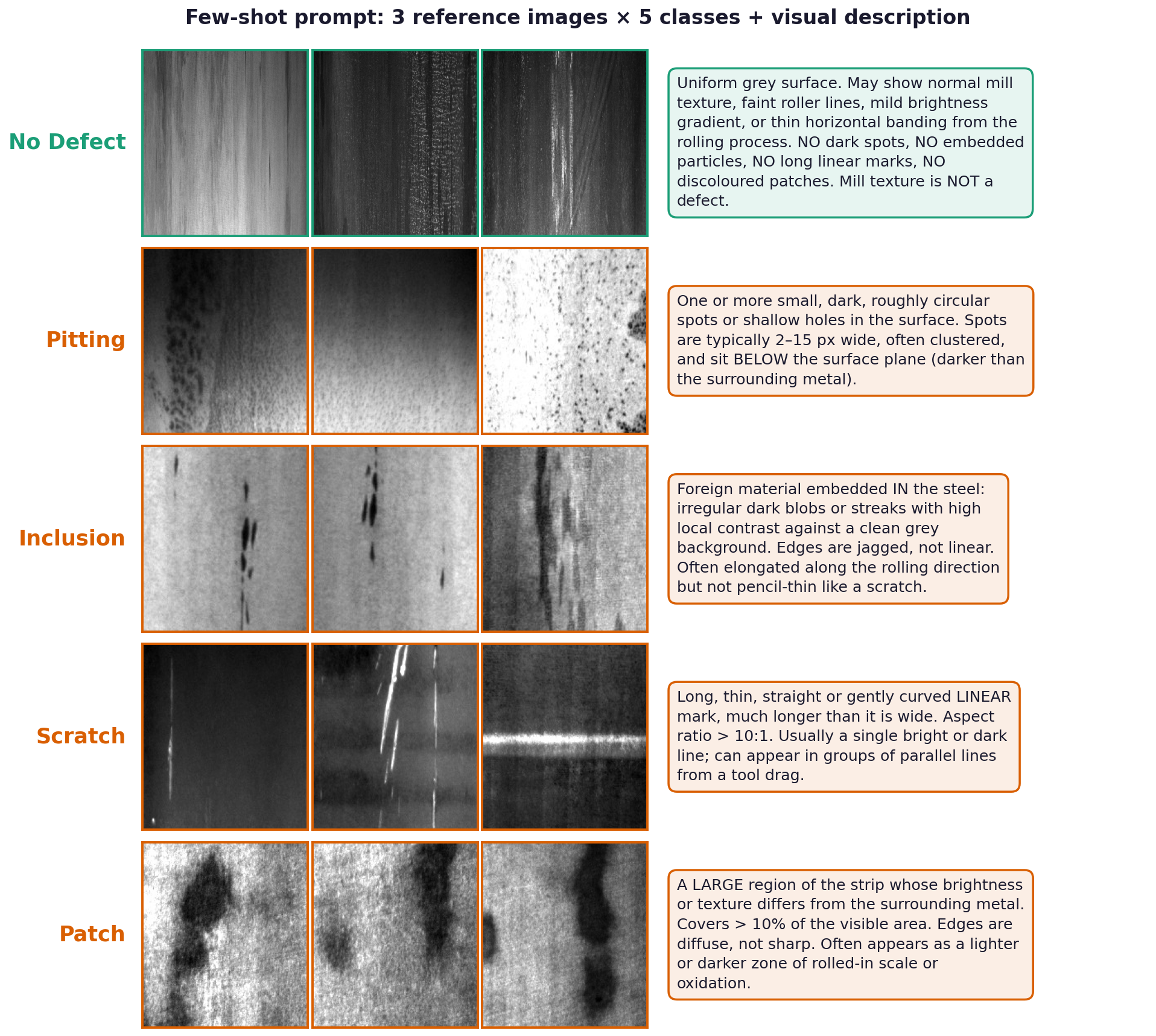
What are rolled-metal defects? — your turn

Two Severstal hot-rolled steel-strip close-ups. One is labelled defective, one is not. Which is which?
…and here is the pixel-level ground truth

The bottom strip is the defect: a single pit (pink mask). The top strip is what Severstal annotators flagged as normal — texture and rolling marks, no actionable defect.
Try another pair — both have defects

Two more close-ups. Both strips are defective. Can you spot the marks, and would you call them the same kind of defect?
…annotated by a metallurgist, pixel by pixel

The top strip carries small “scratch” blobs (orange); the bottom strip has large “patch” regions (purple). Same dataset, same camera, four totally different defect taxonomies — and the annotator decides which one to call.
What is their setup??

Yes — classical CV is a (mostly) solved problem!
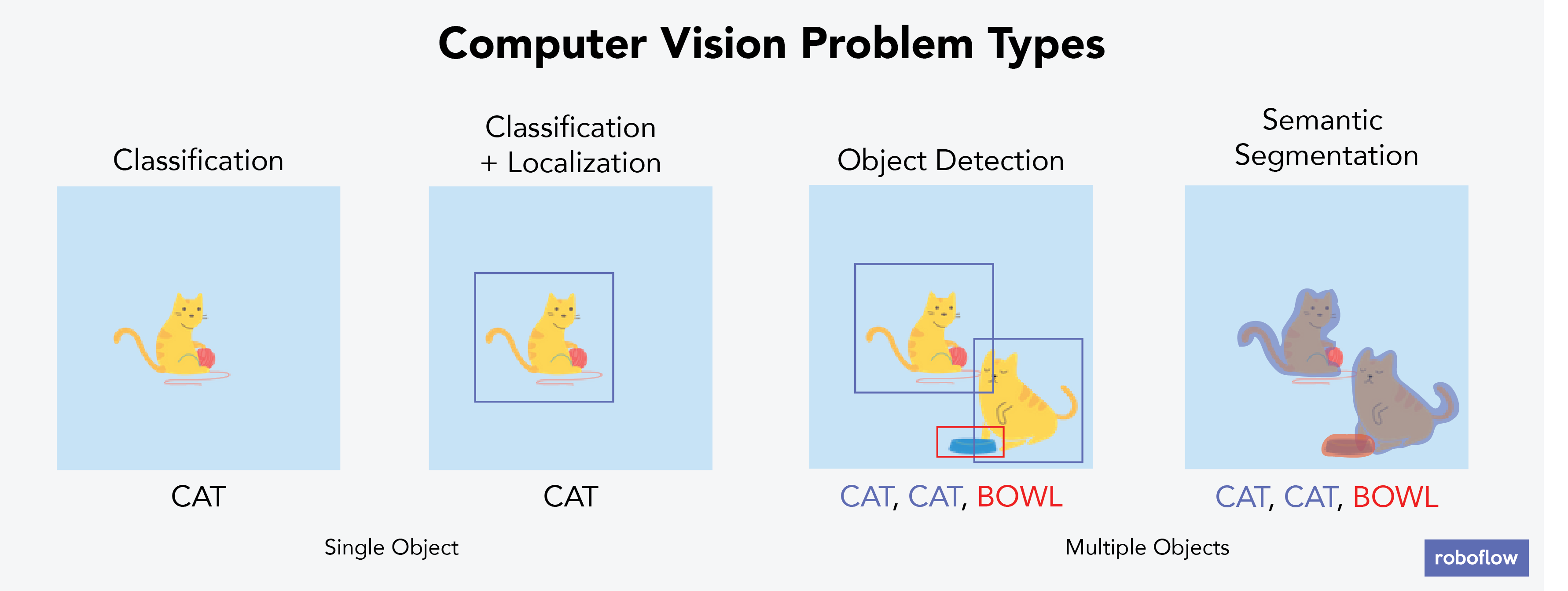
The standard CV taxonomy: classification, detection, segmentation.
The people who solved it


…and the network that started it
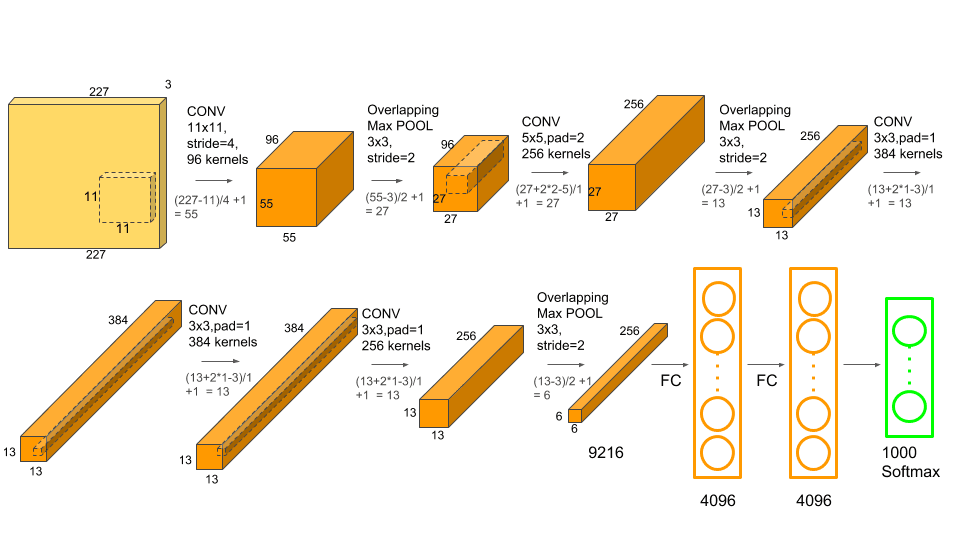
AlexNet (2012) — the architecture that ended hand-crafted feature engineering and started the deep-learning era of computer vision.
Rolled metal defects are not objects the models are trained on

YOLO11s (COCO pretrained, 80 classes) run on a Severstal hot-rolled steel strip with real defects. The model boxes the actual anomalies — a scratch cluster and a large surface patch — and labels every one a bird. “Steel defect” simply does not exist in its vocabulary.
What has the model learned to see?
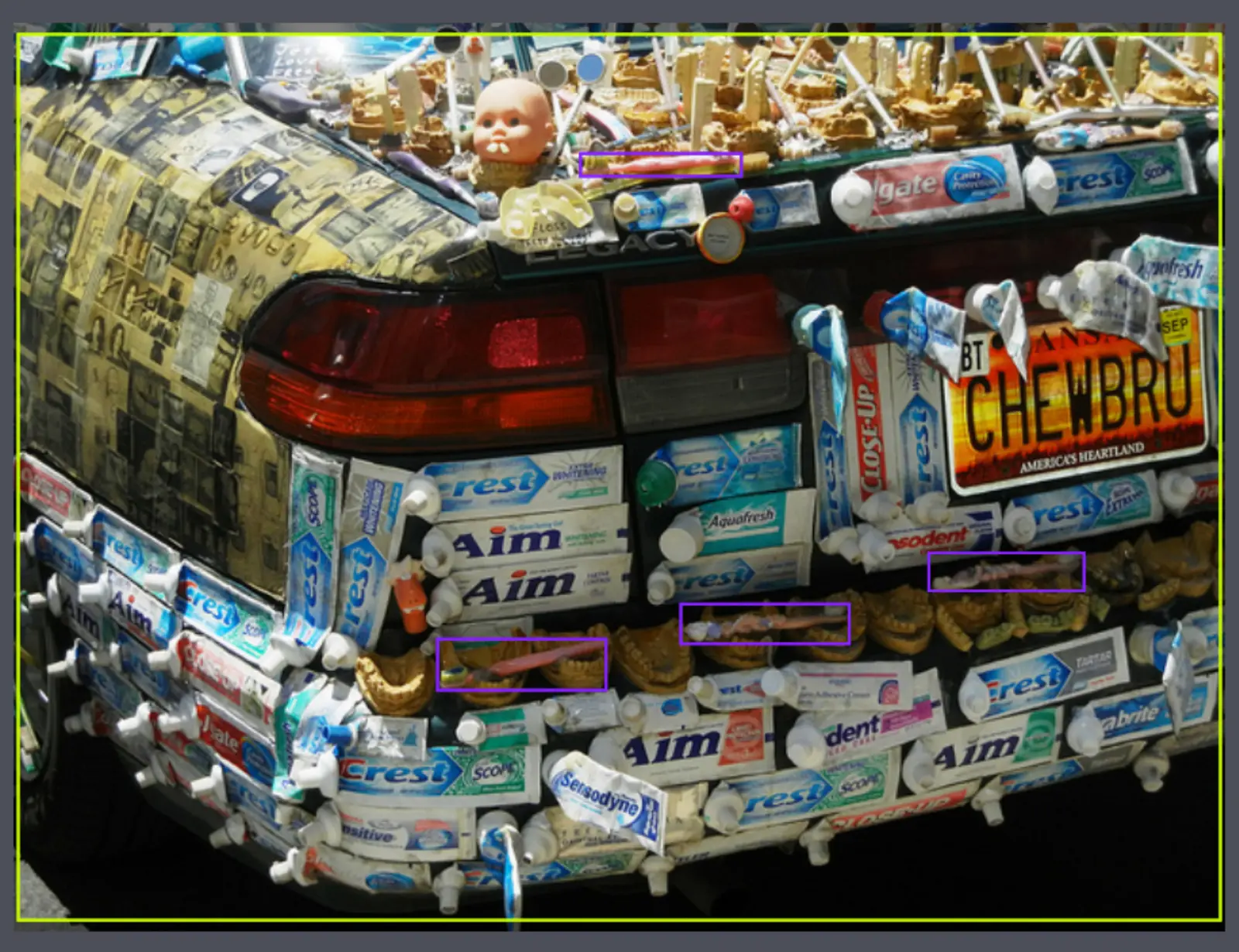
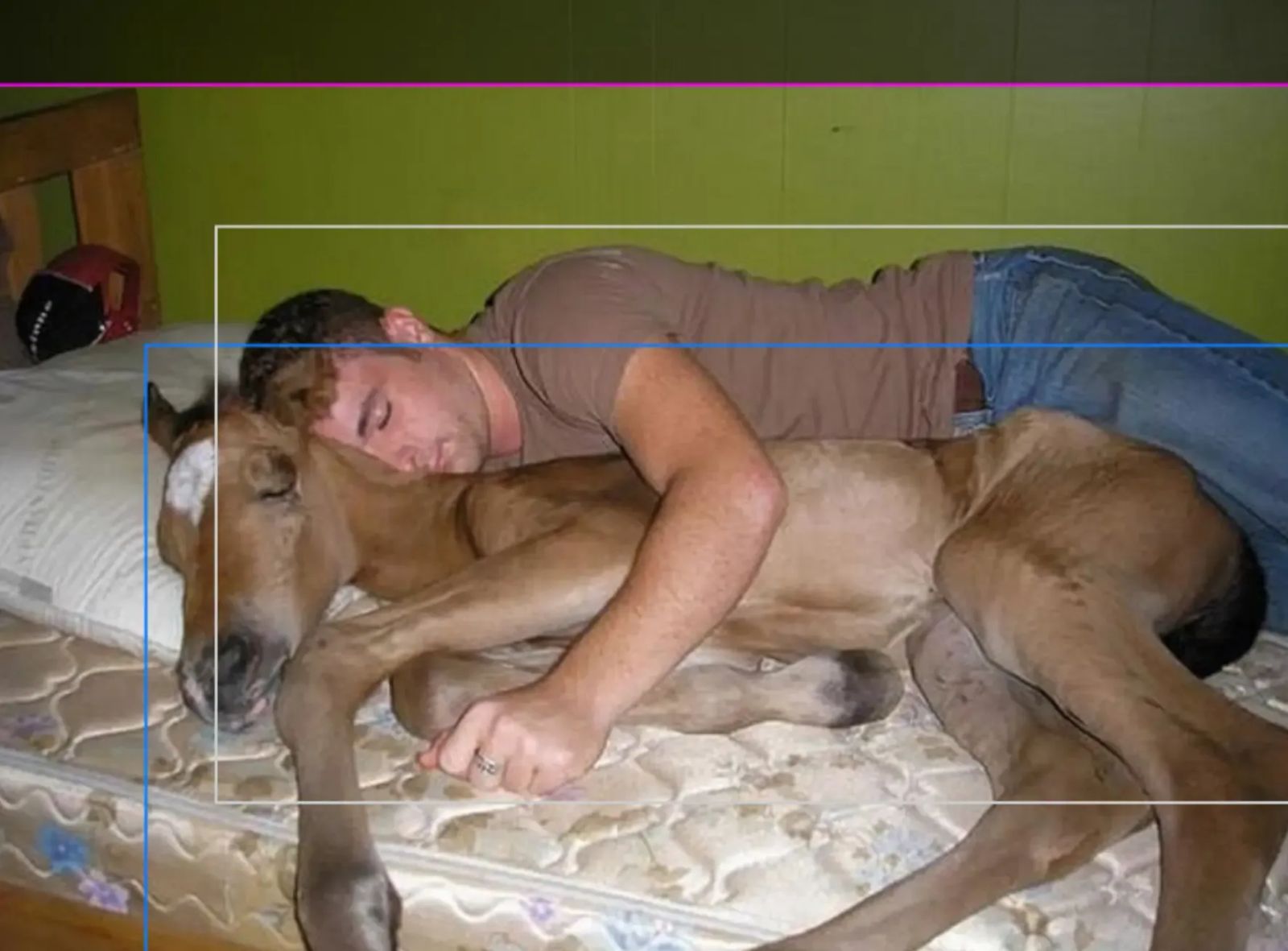
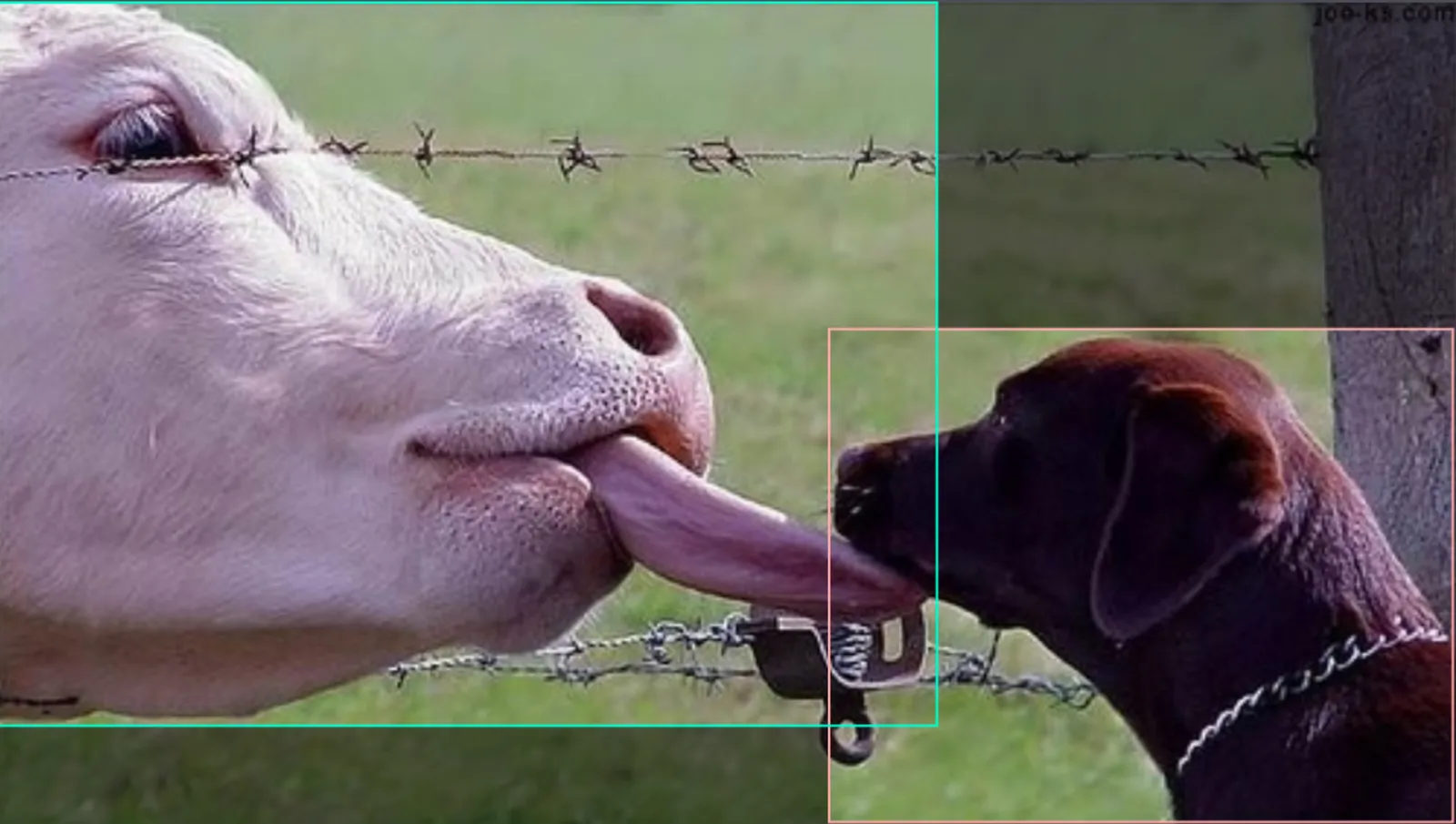

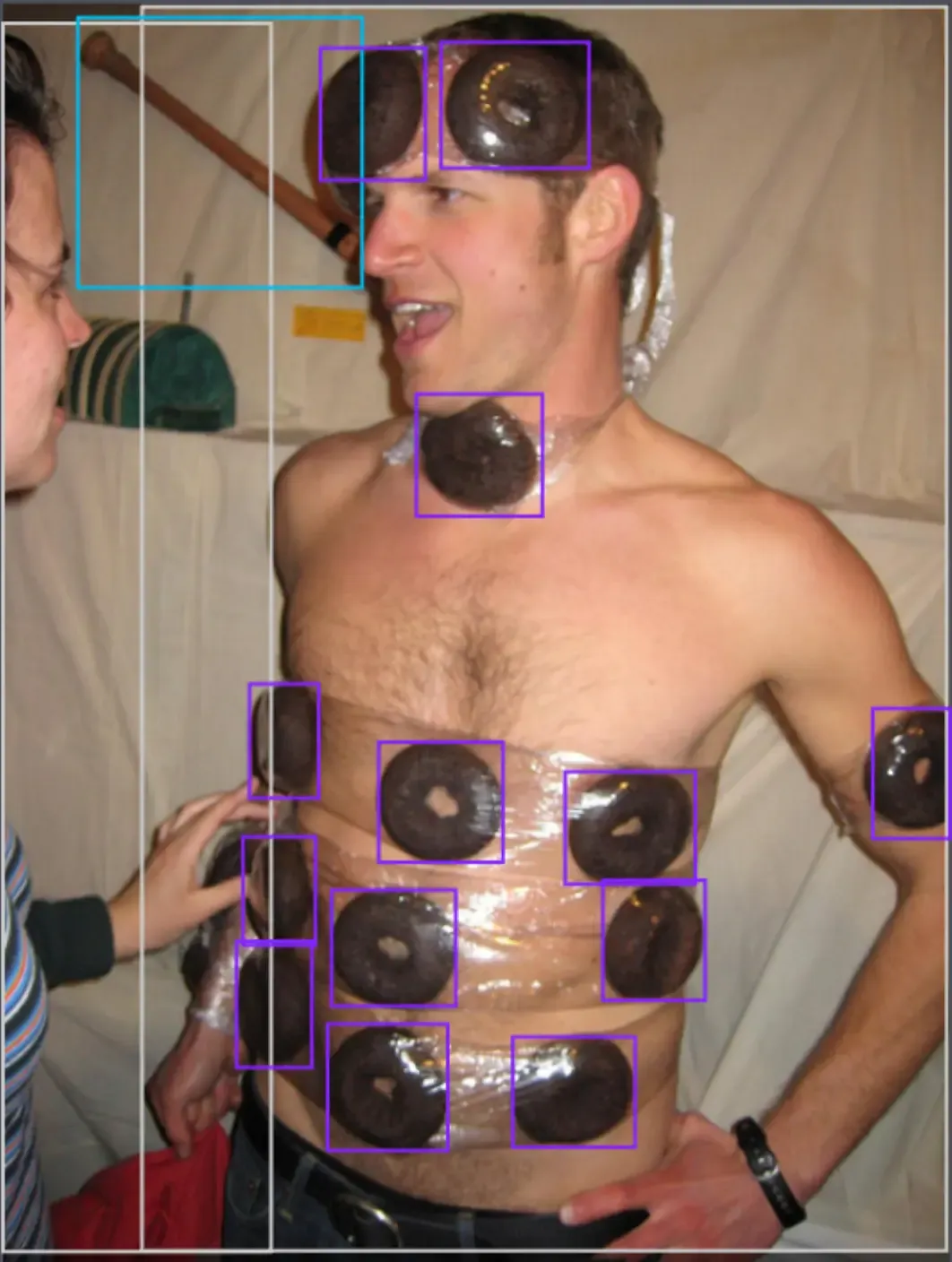
The domain-gap problem, visualised

Same task — “is this strip defective?” — wildly different pixels.
Two classical workhorses
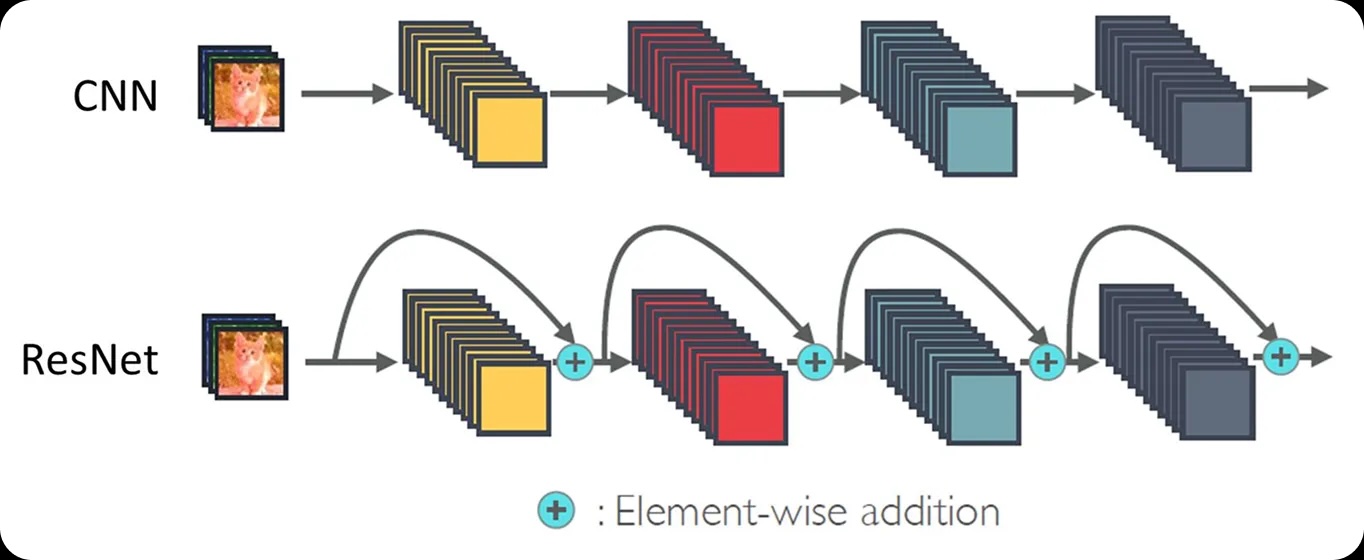
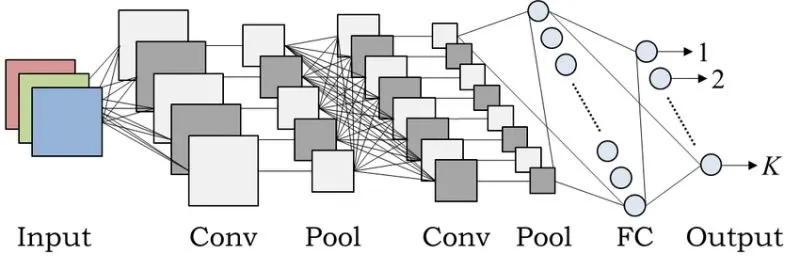
The VLM tells you why — not just what

For each image: the raw crop, the ResNet Grad-CAM heatmap, and the GPT-5.4 natural-language rationale. The classical model gives a number; the VLM gives a sentence.
More labels won’t save us

No classical recipe gets us there.
Fine-tuning on Kolektor helps — F1 climbs from 0.16 to 0.56 — but still leaves us far short of production-ready.
~11 700 labels in, and the ceiling is a passable model on one mill.
A YOLO box says something a heatmap can’t

Same three images, two outputs. Middle: ResNet50 Grad-CAM — one scalar p̂(defect) plus a soft “where roughly”. Right: YOLO11s — one or more typed bounding boxes, each with its own confidence. Top two rows are in-domain Severstal; bottom row is out-of-distribution KolektorSDD2.
Early Fusion shared embedding space
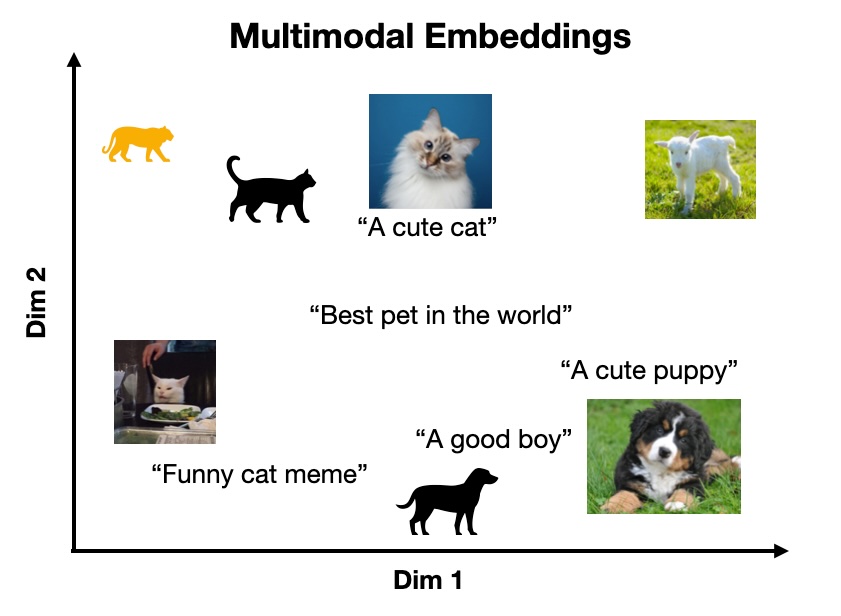
Same images, frontier models, zero training

Setup
- 50 images (balanced) from held-out KolektorSDD2
- Identical CoT-with-JSON-schema prompt
- 3 providers via
src/vlm_clients.py - Costs logged to
results/cost_ledger.csv, capped at$50
Reading the chart
- All three frontier models beat the supervised ResNet50 on Kolektor.
- Gemini 2.5 Pro tops the chart at F1 0.83.
- Azure mid-tier (gpt-4.1-mini) is the price–performance knee at F1 0.80 for ~10× less per call.
Best VLM vs classical — KolektorSDD2 F1

The headline.
- Best classical recipe (ResNet50 + Kolektor FT): 0.56
- Best zero-shot VLM (Gemini 2.5 Pro): 0.83
No labels on the new domain, no fine-tuning, no schema changes — just an API call with a prompt.
A structured-output teacher critiques a structured-output student

The loop (scripts/prompt_tune_vlm.py)
- Score base prompt on a 12-image calibration set
- Collect every disagreement with its parsed reasoning + attributes
- Feed disagreements to gpt-5.5 as a “domain prompt engineer”
- Tuner emits JSON:
summary,common_mistakes[],prompt_addendum - Append the addendum, re-score, repeat
The tuner output is schema-enforced — strict JSON, no free-form prose. The addendum becomes a # DOMAIN-SPECIFIC GUIDANCE block prepended to the student’s user prompt.
Grad-CAM points. The VLM tells you why.
Four images — one normal Severstal frame at the top, then three defective close-ups from KolektorSDD2 and Severstal. Middle: ResNet50 Grad-CAM heatmap (red = pixels that pushed p(defect) up). Right: live GPT-5.4 reasoning for the same image (no fine-tuning, structured-output prompt).
How fast is each model on one image?

results/vlm/flagship_summary_*.json.
…and what does each call actually cost?

results/cost_ledger.csv.
One-off labelling + classical inference vs per-image VLM

N_train = 2,332 images and serving a near-free ResNet/YOLO.Three label-cost worlds
- $0.05 / label — in-house GPU-side annotators
- $0.20 / label — offshore crowd workers
- $0.50 / label — expert metallurgist sign-off
Break-even images processed (VLM-only vs label-once-then-classical):
- $0.05/label → ~26k images
- $0.20/label → ~104k images
- $0.50/label → ~261k images
A line running 24/7 hits 26k images in hours. The hybrid (YOLO → escalate 30% to VLM) buys back another 3×.
Does the student ever catch the teacher?

Setup (scripts/labelling_curve.py)
- Pool: Kolektor train (~2 300 images, ~10 % defective)
- Labels: VLM pseudo-labels with measured noise (TPR=0.68, TNR=0.96)
- 3 seeds per N — no class balancing
- 6 epochs, AdamW, ResNet50
Reading the chart
- At N ≤ 1 600, the student has not caught the teacher (F1 peaks ~0.37 vs 0.79).
- The gap signals that more labels and/or a cleaner label budget would be needed.
- The dollar axis makes the trade-off concrete: $10.74 of labelling still falls short.